Understanding Plant-Based Micronutrients

An educational resource exploring the science behind natural extracts, vitamins, and lifestyle approaches for everyday wellness.

Educational content only. No services. No promises of outcomes.

Introduction to Modern Vitality

Modern life presents unique challenges to daily energy and focus. Understanding how natural compounds interact with our bodies can provide valuable context for informed choices.

This educational resource explores the biochemical properties of plant-based extracts and their role in nutrition. We examine vitamins, minerals, and botanicals from an informational perspective, helping you understand the science without making recommendations.

Our approach is purely educational. We explain concepts, describe phenomena, and provide context about how various nutrients function in human biochemistry.

Origins of Natural Extracts

Plant-based compounds have been part of human nutrition for millennia. From ashwagandha root grown in dry regions to vitamin D synthesized through sun exposure, these substances occur naturally in our environment.

Understanding where micronutrients originate helps contextualize their biochemical properties. Magnesium from leafy greens, zinc from seeds and nuts, and various botanical extracts all have distinct geographical and biological origins.

This section provides educational context about the natural sources of commonly discussed micronutrients and their traditional presence in various diets worldwide.
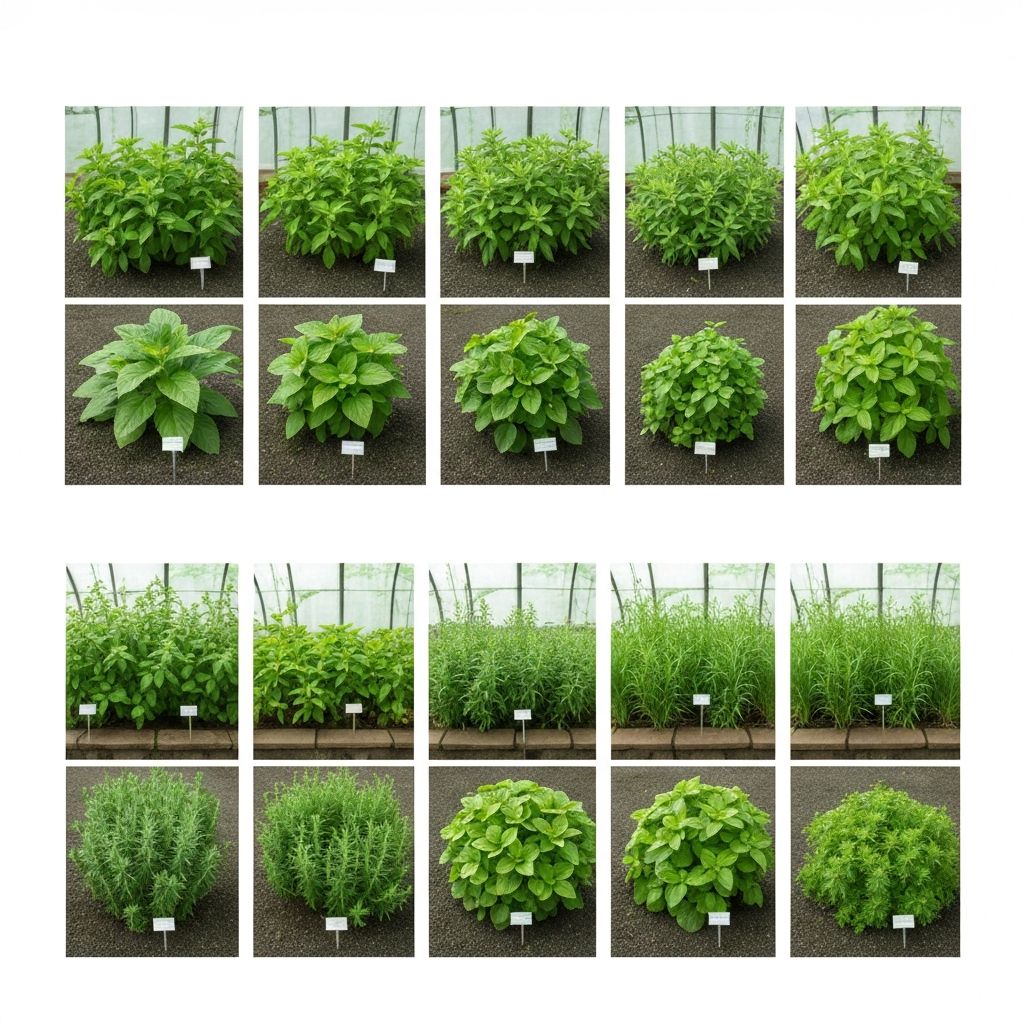

Natural plant origins

Micro-elements and Daily Rhythm

The timing of nutrient intake intersects with natural circadian patterns. Zinc, magnesium, and various vitamins interact differently with our bodies depending on when they are consumed.

Morning routines often include vitamin D intake when combined with breakfast fats for better absorption. Evening patterns may involve magnesium, which many associate with relaxation biochemistry.

This informational overview explains how timing relates to bioavailability and metabolic cycles, providing context without specific guidance.

Morning breakfast setting

Understanding Bioavailability

Bioavailability refers to the proportion of a nutrient that enters circulation when introduced into the body. This concept is fundamental to understanding how different forms of vitamins and minerals function.

Vitamin D3

Fat-soluble vitamin synthesized through skin exposure to sunlight. Often discussed in context of bone density and immune function biochemistry.

Magnesium Forms

Various chemical forms exist, including citrate and glycinate. Each has different absorption characteristics in the digestive system.

Zinc Compounds

Essential trace element involved in numerous enzymatic processes. Found naturally in seeds, nuts, and legumes.

Ashwagandha Extract

Root extract from Withania somnifera plant. Traditional botanical studied for its adaptogenic properties in research contexts.

Foundations of Movement

Physical activity intersects with nutrition in complex ways. This section explores the informational context of movement and lifestyle balance.

Outdoor walking

Daily Walking Patterns

Regular walking represents a foundational movement practice. Research explores connections between step counts and various wellness markers.

Hiking trail

Nature Exposure

Time spent outdoors combines physical movement with environmental factors. Studies examine correlations with mood and focus.

Active lifestyle

Resistance Activities

Bodyweight exercises and resistance work engage muscle groups. Nutritional needs may vary with activity levels.

Environmental Factors and Well-being

Sleep patterns, light exposure, and stress management all interact with nutritional status. Magnesium is often studied in relation to relaxation pathways, while vitamin D connects to seasonal light availability.

Understanding these environmental contexts helps frame why certain nutrients receive research attention. The relationship between lifestyle factors and biochemical processes is complex and individual.

This educational overview provides background on how external factors may relate to nutrient function, without suggesting specific interventions.

The Science of Recovery

Recovery encompasses sleep quality, stress response, and cellular repair processes. Various micronutrients play roles in these biochemical pathways.

Zinc contributes to protein synthesis pathways. Magnesium interacts with neurotransmitter systems. Ashwagandha extract has been studied in research contexts related to cortisol patterns.

This section offers educational context about the biochemistry of rest and recovery, explaining concepts without making personal recommendations.

Peaceful mountain scenery

Core Minerals in Focus

Certain minerals receive consistent attention in nutritional research. Zinc, magnesium, and selenium all serve as cofactors in enzymatic reactions throughout the body.

Dietary sources include pumpkin seeds, leafy greens, Brazil nuts, and whole grains. The concept of recommended daily amounts exists, though individual needs vary significantly.

Understanding mineral biochemistry provides context for why these elements appear frequently in nutritional discussions.

Seeds and grains

Balancing Work and Leisure

Modern work patterns often involve extended periods of focus and decision-making. Nutritional status may relate to cognitive function, though the relationships are complex and not fully understood.

B vitamins, omega-3 fatty acids, and various antioxidants appear in research on cognitive performance. However, numerous factors beyond nutrition influence focus and productivity.

This educational resource presents the scientific context without suggesting that nutrition alone determines work performance or cognitive outcomes.

Informational Guide on Botanicals

Ashwagandha root extract represents one of many botanical compounds studied in research contexts. Native to dry regions of India and the Middle East, this plant has traditional uses spanning centuries.

Modern research examines its chemical constituents, including withanolides. Studies explore potential interactions with stress response systems, though results vary significantly across individuals.

This guide provides educational background on botanical extracts as a category, explaining their origins and the nature of ongoing research.

Botanical roots

Limitation and Context Block

Important Educational Context:

  • This website provides informational content only about micronutrients and lifestyle concepts
  • We do not offer individual recommendations or personalized guidance
  • Approaches to nutrition and wellness vary widely among individuals and communities
  • This content does not replace personal decision-making or professional consultation
  • All information is presented for educational understanding, not as actionable advice

Continue Your Educational Journey

Explore more about the biochemistry of natural compounds and the science behind micronutrients.

Read more about the topic